ServicesNew Roof Installation
New Roof Installation in Paradise Valley
We install complete roof systems on new homes, additions and casitas, from bare sheathing to the last ridge cap. You get a roof matched to your plans, built to code for desert heat and monsoon rain, and a crew that treats your site like a neighbor's yard.
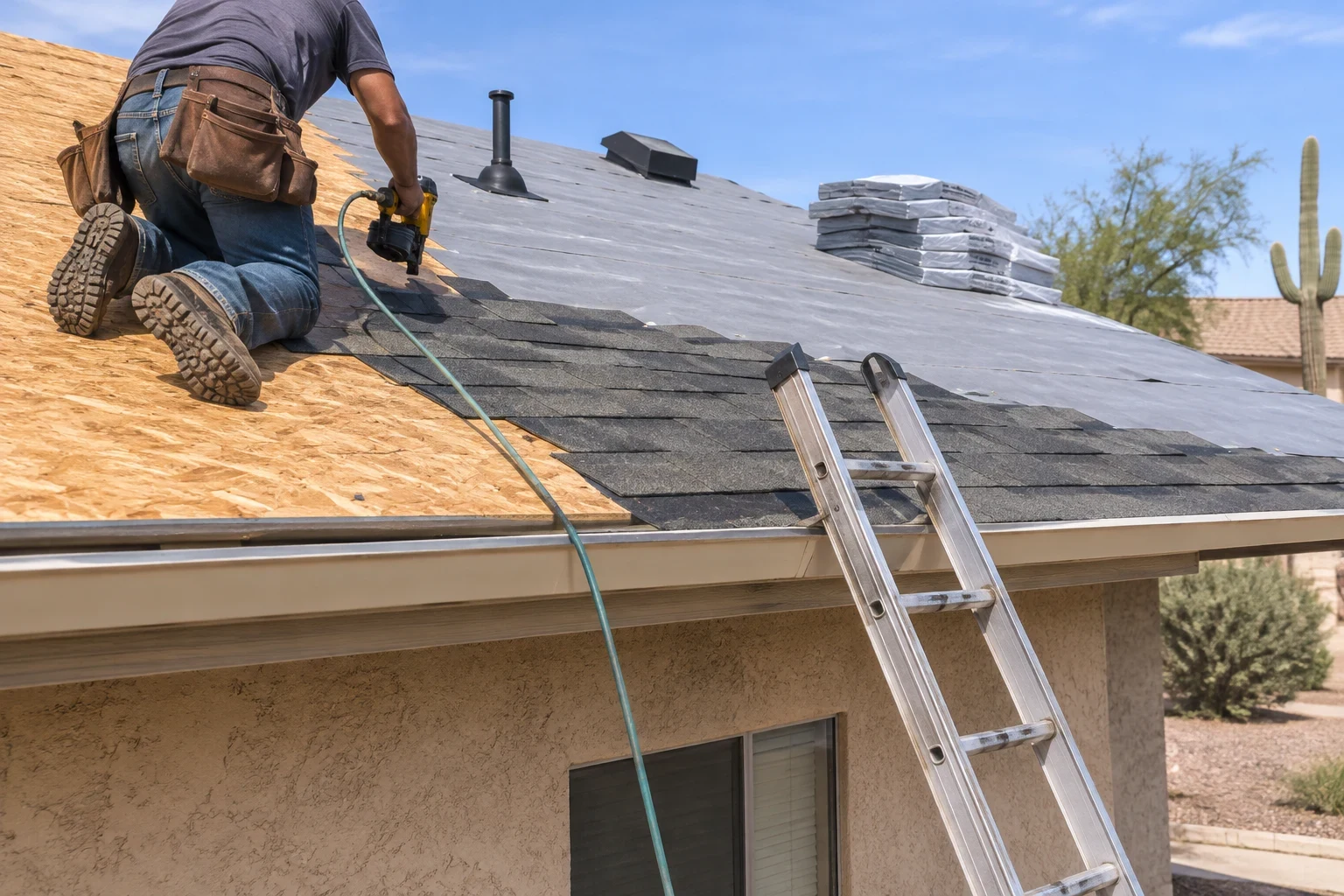
A first roof done right the first time
New roof installation means there is no old roof to tear off. The framing is up, the deck is either bare or about to be sheathed, and every layer above it is ours to get right. That is an advantage. We can set the underlayment, flashing and ventilation exactly to the plans instead of working around someone else's shortcuts.
We install tile, shingle, foam and flat roof systems, so the choice follows your design and budget rather than what one crew happens to know. A pitched concrete tile roof over the main house and a foam roof on a low-slope casita can meet at a wall without a problem, as long as the transition flashing is planned before the first piece goes down.
We work with you or your builder like we would for a neighbor on our own street: clear answers, a set schedule and a clean site at the end of each day.
What the installation includes
Deck check before anything goes down
We walk the sheathing for nailing pattern, gaps at panel edges and any moisture from rain during framing. Problems at this stage cost little to fix and a lot to find later.
Underlayment sized to the roof covering
Tile roofs in the desert depend on the underlayment to shed water, since tile alone is not watertight. We use a heavier membrane under tile and synthetic underlayment under shingles, with ice-and-water style membrane in valleys and at low-slope transitions.
Flashing at every penetration and wall
Drip edge, step flashing, headwall and sidewall flashing, pipe jacks and skylight curbs are all installed as part of the system. Most leaks on newer roofs start at a flashing detail, not in the field of the roof.
Attic ventilation
We balance intake and exhaust so attic heat can leave. In summer that lowers the load on your cooling and slows the aging of the underlayment.
The finished roof surface
Tile, architectural shingle, spray foam with an elastomeric coating, or a flat roof membrane, installed to the manufacturer's instructions and the slope it sits on.
Daily cleanup
Before the crew leaves each evening, tile shards, nail strips, offcuts and packaging go into bags or the dumpster. A rolling magnet then sweeps the driveway and planting beds for stray fasteners.
When new roof installation is the right call
You are building a new home
Once framing is complete, the roof is the next trade on site. Getting us involved while plans are final lets us flag slope, drainage and material questions early.
You are adding living space
An addition needs its own roof and a tie-in to the existing one. The tie-in is where water finds its way in, so it gets the most attention.
A casita, garage or studio is going up
Detached structures often have low-slope roofs where foam or a flat membrane fits better than tile. We match the look of the main house where you want it.
A patio cover is becoming a room
Enclosing a patio usually means the old patio roof cannot meet the requirements for conditioned space. It needs a real roof system with proper slope and underlayment.
How the job runs
- 1
Talk through the plans by phone
We go over the drawings, the roof covering you want and your timeline. If something in the plans will cause drainage trouble, we tell you now.
- 2
Written estimate and permit
You get a line-item estimate so you can see what each layer costs. We pull the roofing permit with the town or coordinate with your builder's permit.
- 3
Deck and dry-in
We confirm the sheathing, then install drip edge, underlayment and valley membrane. Once dried in, the structure is protected from rain while other trades work inside.
- 4
Roof covering and flashing
Tile is loaded and set, shingles are nailed to pattern, or foam is sprayed and coated, with flashing completed as we go. Penetrations from plumbing and HVAC vents are sealed as they are set.
- 5
Final walk and sign-off
We walk the roof and the ground with you, then schedule the final with the building department.
What moves the price of a new roof
A new roof is priced by the material, the size of the roof and how complicated its shape is. Because there is no tear-off, the cost goes into the system itself. Your written estimate shows each item so you can compare choices on equal terms.
- Roof covering
- Concrete tile, clay tile, architectural shingle, foam and flat membranes all differ in material cost and labor per square. Tile also calls for a heavier underlayment and framing sized to carry its weight.
- Roof area and slope
- The measured area decides how many squares of covering, underlayment and fasteners we order. A steeper slope means more fall protection, roof jacks and careful footing for the crew, so labor per square goes up.
- Shape and penetrations
- Hips, valleys, dormers, skylights and vents each add flashing and cutting time. A simple gable costs less per square than a cut-up roof.
- Tie-ins and access
- Joining an addition to an existing roof adds careful work at the seam. Tight lots and limited staging space can change how materials are lifted to the roof.
New roof installation questions
Something not covered here? (480) 470-6535
Can you work with my general contractor?
Yes. Most new roofs we install are part of a larger build. We coordinate the dry-in date with framing and get the roof closed so interior trades can keep moving.
Which roof material is best for a new home here?
It depends on the slope and the look of the house. Tile suits pitched roofs and handles the sun well, foam works well on flat and low-slope sections, and shingles are a good fit for many pitched designs on a tighter budget. We explain the tradeoffs for your plans.
How long does a new roof installation take?
Dry-in on a typical home takes a few days. The finished covering takes longer for tile than for shingles, and foam depends on weather because it needs dry surfaces to spray.
Will my addition's roof match the existing one?
We aim to match profile and color as closely as current products allow. Older tile colors can be discontinued, so we show you options before ordering and can pull matching tile from a less visible area if needed.
Do you handle the permit?
We pull the roofing permit when we are the contractor for the roof, or work under your builder's permit. Either way, we schedule the required checks so the job is signed off before it is finished.
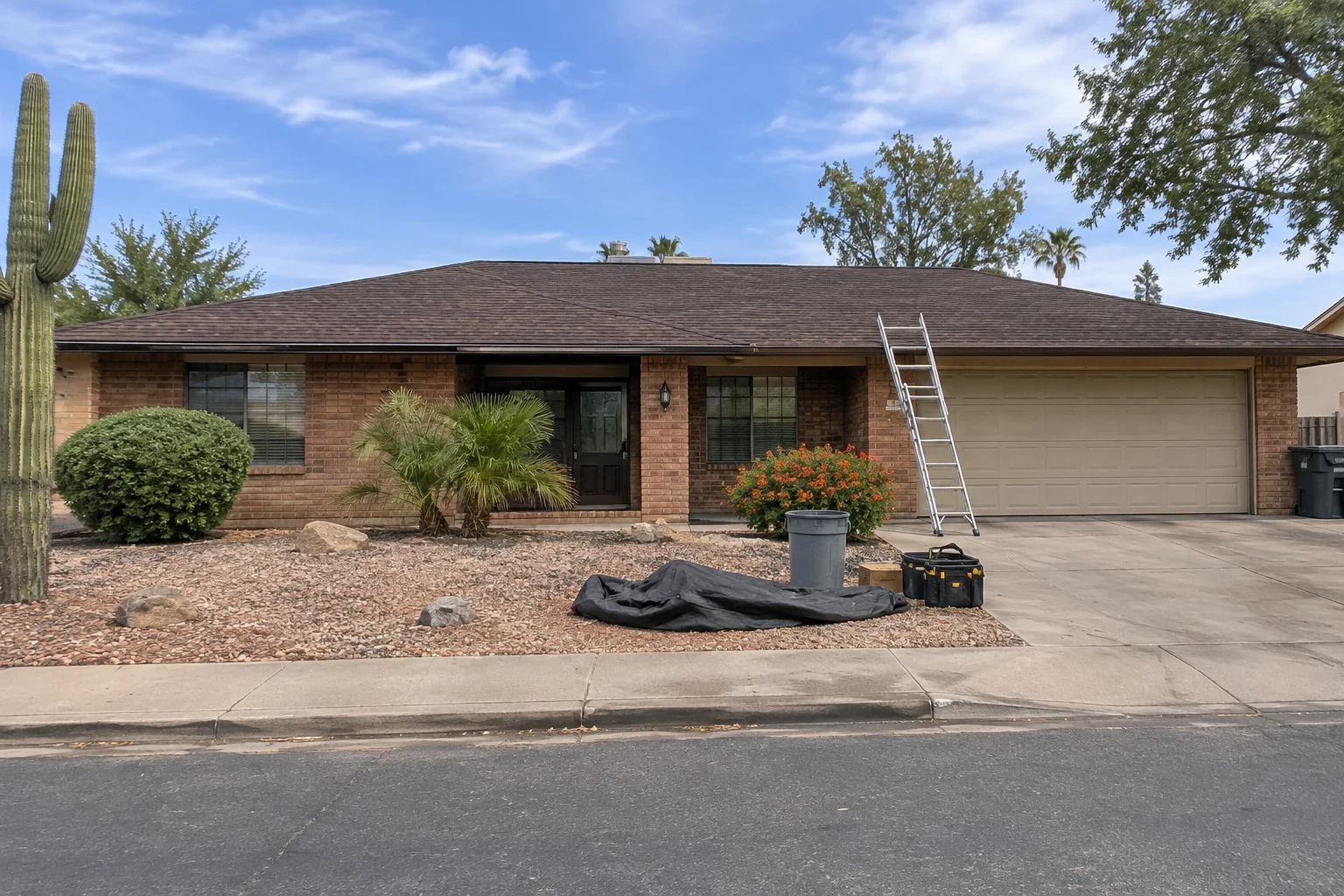
Ready to put a roof on your project
Tell us what you are building and when framing will be done. We will walk you through materials, schedule and a written estimate.